Being VAT-exempt as a business in South Africa, strictly speaking, only applies to a very specific set of businesses that produce VAT-exempt goods or fall under the mandated VAT-exemption banner. However, not all businesses in South Africa meet the thresholds to register for VAT at all. Today we will look deeper into all three cases, and how to know if they apply to you.
What Businesses Are VAT-Exempt?
In South Africa, a business will be VAT-exempt if it only makes goods or provides services in the VAT-exempt category. We will look at these specific goods and services in a different section below. Do note that this is different from being a VAT-registered business that produces zero-rated VAT items.
It is also different from being exempt from registering as a VAT vendor, which applies to businesses with a taxable turnover below the current mandatory registration threshold. Some of these businesses can choose to register as a VAT vendor to allow them to interact with larger VAT-registered businesses, once they meet a specific, far lower, threshold.
Lastly, there is an additional class of businesses that are exempt from VAT by virtue of what they do (and not producing a tangible good or service). We look at these below.
Who Can Be Exempted From VAT?
Additionally, some entities in South Africa are deemed VAT-exempt by not producing a tangible good/service, but existing for other administrative reasons, or by being an entity in the public interest. These include:
- Public Benefit Organizations
- Homeowners Associations
- Government-Owned Institutions
- Recreational Clubs
- Public Institutions
- ‘Angel Investors’ and Small Business Funding Entities
The criteria for this kind of VAT exemption in South Africa revolve around the nature of the business or entity. Businesses engaged in activities deemed to be of public benefit or welfare may qualify for VAT exemption. Government departments and municipalities, as well as government-owned private entities, are automatically exempt from VAT based on their legal status and functions. Public Benefit Organizations seeking VAT exemption must have an approved PBO status from SARS, which includes meeting specific conditions outlined in the Income Tax Act.
What Is The List Of VAT-Exempt Sales?
This is the general list of VAT-exempt goods and services in South Africa:
- Some financial services that are non-fee related,
- Educational services, but the institution must be registered and government-approved,
- Residential rental accommodation, and
- Public road or rail transport.
Once again, it is worth reiterating that these are goods and services that count as VAT-exempt, and thus exist outside the wider VAT ecosystem.
Don’t confuse these with zero-rated goods and services. These still are classed as within the VAT ecosystem, but attracting a 0% VAT rate instead of the standard 15%. Companies handling zero-rated items, unlike those offering VAT-exempt services or goods, are still required to register for VAT and submit VAT returns. They have a benefit in that they can claim their input VAT back on their returns, even if they cannot charge output VAT on the produced item.
Who Qualifies To Pay VAT In South Africa?
Technically speaking, everyone else, whether an individual or business, has to pay VAT at some point in their supply chain. However, VAT is conceptualized as an end-user tax, i.e. payable at the till by the final buyer.
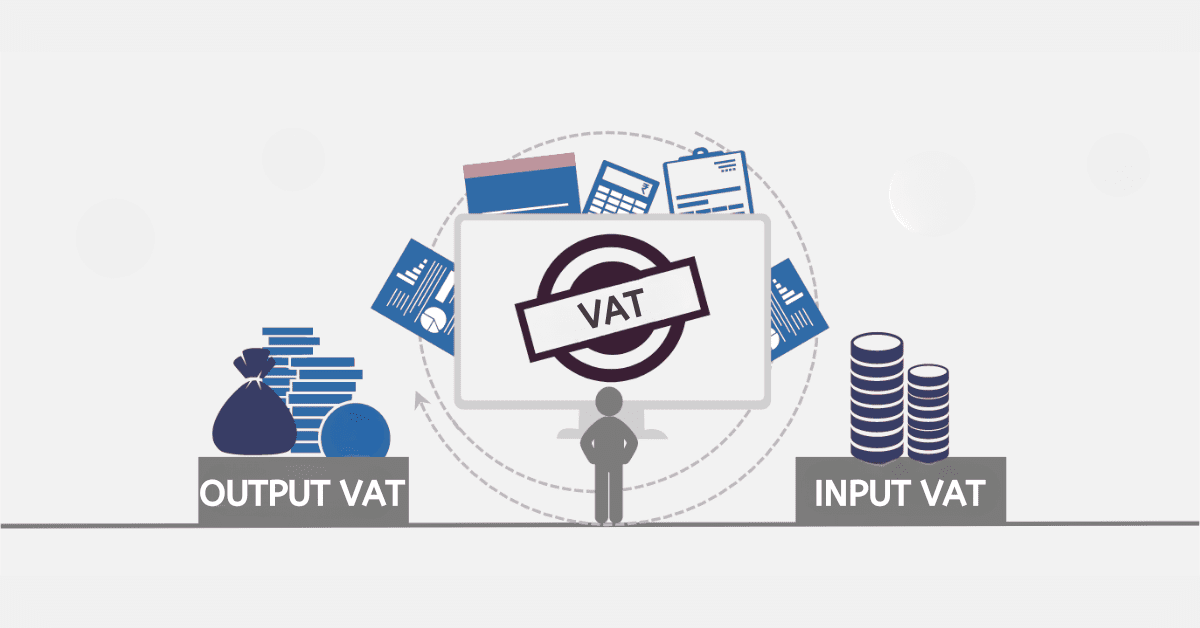
This means that businesses that operate with goods and services that attract VAT, once they pass certain taxable income thresholds, are required to register for VAT. They will collect detailed records of how much VAT they pay in their supply chain (input VAT), and how much VAT is charged to customers down the line (output VAT). These two amounts are then offset against each other on their VAT returns. If there is a net amount due to SARS, it must be paid over. If, instead, the input VAT paid outweighs the output VAT charged, they may get a VAT refund from SARS.
Smaller businesses below the mandatory threshold can register as a VAT vendor, too, at a much lower income threshold.
Do Small Businesses Pay VAT In South Africa?
Most small businesses do not have the taxable turnover to meet the mandatory VAT registration threshold, which we look at below. However, if their taxable turnover meets the voluntary threshold, they can also apply to become a VAT vendor with SARS.
While this does carry some additional administrative obligations, including the need to track VAT output and input and submit regular VAT returns, it is often a benefit for the business in question. This is because they can offset the VAT they pay in their supply chain against that which they charge. Additionally, most larger VAT-registered entities will not work with non-VAT-registered companies, as they cannot claim their own input VAT from dealings with non-VAT-registered businesses.
For small businesses below the voluntary income threshold, however, there is no option to register as a VAT vendor. This means they have to absorb the VAT they pay to their suppliers, instead, the same as for the end user of their products.
At What Turnover Do You Need To Register For VAT In South Africa?
Currently, it is mandatory to register for VAT once your business’s taxable income exceeds R1,000,000 in any consecutive 12-month period. You can voluntarily register for VAT at a far lower threshold, however. This currently lies at R50,000 in any consecutive 12-month period.
Hopefully, you now understand the different meanings of VAT-exempt, and where your business falls into them in greater detail.