These funds form a vital component in investments in SA. They provide institutions and individuals with exposure to physical commodities such as oil, platinum, gold, & agricultural commodities. They create the opportunity for one to invest in commodities without possessing them. As a result, this makes it a darling to investors who prefer diversification in their portfolios.
What Is the Top Commodity Fund?
The choice of the best-performing commodity fund in South Africa is a function of the risk level, investment objective, and the market’s direction. An investor can choose from exchange-traded, mutual, or futures-based commodity funds. Depending on the nature of the fund, the extent of exposure to commodities varies, and thus, the investor needs to map his or her investment to the investment strategy.
Gold funds are among the most widely used commodity investments in the Republic of South Africa, given that the country is the world’s largest metal producer. Gold price-tracking funds, like NewGold ETF, allow investors to hedge against currency volatility and inflation. Gold has historically fared better in times of economic adversity and, as such, is a fund of choice for investors who avoid risk.
Platinium and palladium mutual funds are also interesting because the enormous volumes of these metals are manufactured throughout the globe in South Africa. Platinum mutual funds possess high growth prospects as demand increases due to automobile and industrial applications. Platinum and palladium price index mutual funds will likely generate high returns as prices rise with the lack of supply.
Agricultural commodity funds provide the opportunity to be invested in maize, wheat, and sugars, which are all vital to the economy of South Africa. Being an agric-based nation, the chance to be invested in commodity funds that track these products presents the opportunity for growth, especially when the latter is in high demand worldwide.
Investors prefer to go for the commodity basket through broad-based commodity funds that hold a basket of metals, energy, and agricultural commodities, minimizing the risk through diversification. Commodity index following or raw-material basket following funds bring stability by counterbalancing the upswings and downswings of one industry with the other.
Are Commodity Funds Good Investments?
Commodity funds make a good addition to an investor portfolio, serving as an inflator hedge and providing diversification. In the case of South Africa, where much of the economy relies on commodity exports, the funds offer a mechanism for investors to benefit from price shifts in commodities. Whether or not they make a solid investment depends on one’s investments and the market conditions.
One significant advantage that commodity funds possess is that commodity fund investments are applied as hedging against inflation. Commodity prices, especially precious metals, increase when the trend towards inflation goes up. In the face of currency weakness and inflation pressures, commodity fund investments hedge wealth over the long term.
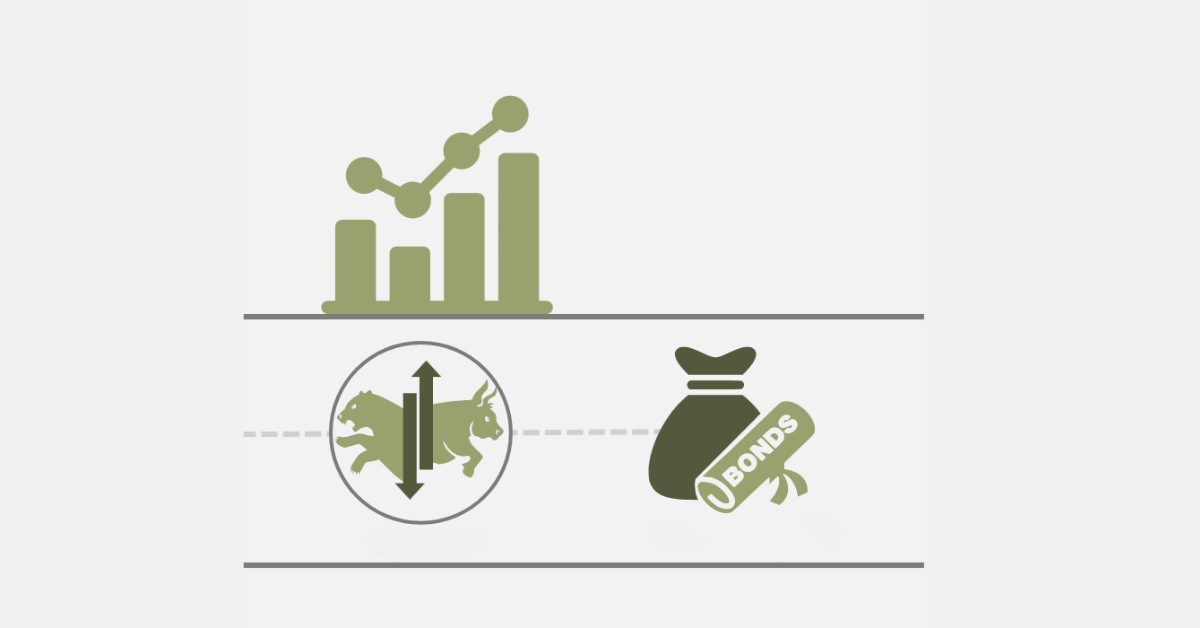
Diversification as a secondary advantage exists. Bonds and stocks, the more conventional investments, historically go in the opposite direction to commodity prices. During falling share markets, commodities appreciate, acting as a hedge against market crashes. For South African investors, adding an investor plan of a commodity fund lowers the extent of the overall risk.
These benefits notwithstanding, commodity funds come with risks. Commodity prices are influenced by geopolitical, weather, and international demand and supply factors. The commodity market in South Africa also remains vulnerable to global economic trends, meaning price action can affect the returns. Commodity funds also rely on futures contracts, which are complicated with additional costs.
What Is One Disadvantage of Commodity Money?
Commodity money based on tangible commodities, such as gold or silver, has been the accepted means of usage in finance and commerce. Yet, although historically valid, it has certain limitations which render it inappropriate for application in modern economies. Its major limitation is its lack of flexibility. In fiat currency, where change to fit the purposes of the economy is easily attainable, commodity currency suffers due to the availability of tangible commodities. In one of the leading exports, the Republic of South Africa, the use of commodity currency alone would cause liquidity issues, with the consequence that it would be difficult to make adjustments according to the shift in the economy.
Another drawback is that prices tend to vary. Commodity prices change with supply and demand, global trade policies, and the state of the economy. If the economy is commodity-based, price instability would cause inflation or deflation, destabilising finance. For instance, South African mining is a highly cyclical industry, and a commodity-backed currency would be exposed to severe market cycles.
What are the Drawbacks of Commodity Investments?
One is price fluctuation. Their prices are highly vulnerable to geopolitical conflicts, business cycles, and supply & demand swings. In SA, miners’ strikes, policy shifts, commodity production, and price fluctuation significantly determine venture returns.
Another con is the lack of income production. Commodity investments never generate regular income, unlike bonds, which pay interest, or stocks, which yield dividends. Commodity mutual funds might be less attractive to passive income investors, as their returns largely depend on capital growth.
Commodities demand vast market expertise as well. Successful investments in commodity funds demand mastering the international trade flows, supply chains, and market trends. South African investors must remain updated about international developments affecting commodity prices, which might be challenging for non-experts to accomplish.
Do Commodity Funds Pay Dividends?
Commodity mutual funds do not pay dividends, unlike regular stocks and bonds. Since commodities do not generate cash flows or income, most generate returns through price increases rather than payments. South African investors who require regular income shall not be pleased with commodity mutual funds as investments because they do not meet their objectives.
That aside, some commodity funds make distributions in some cases, indeed. Some commodity funds are invested in commodity-producing businesses, such as farming or mining businesses, that can pay dividends. In those cases, investors can be paid based on the profit of the companies rather than the commodities.
On the other hand, dividend-seeking investors would be better off investing in commodity-related businesses rather than in commodity funds directly. Companies that operate in the agricultural industry and mining firms on the Johannesburg Stock Exchange (JSE) traditionally pay dividends, meaning the investor gets the benefit of commodities but with the added benefit of paying dividends.
Concluding Remarks
Commodity funds are an essential part of the investment universe in South Africa, giving investors exposure to the nation’s substantial natural resources. While giving investors the advantage of inflation protection and diversification, commodity funds also entail the disadvantage of price fluctuation and lack of income. The right commodity fund must be selected cautiously, looking at market direction, risk, and target goals.