Any investment in South Africa in 2026 will be very strategic, considering the local challenging circumstances and excellent opportunities. It is essential to understand basic principles that can, against such a dynamic backdrop of its economic landscape, help guide you toward making informed investment decisions. The article gives insights into how one can best invest wisely in South Africa, emphasising preparedness, understanding the dip and rise of their markets, and having a long-term perspective. Following these guidelines will increase your possibilities of a better investment strategy and be well on your way toward real financial growth in 2026.
No One Can Predict the Future
In investing, the future is fundamentally uncertain. It is because of the market trend that may alter at any time under various influences, from economic policies and geopolitical events to changes in technology. In South Africa, investors should be more vigilant than in other regions, considering the volatility in its economy and changing politics. Rather than making any forecast relating to market movements, a diversified investment portfolio is a more desirable way of operation.
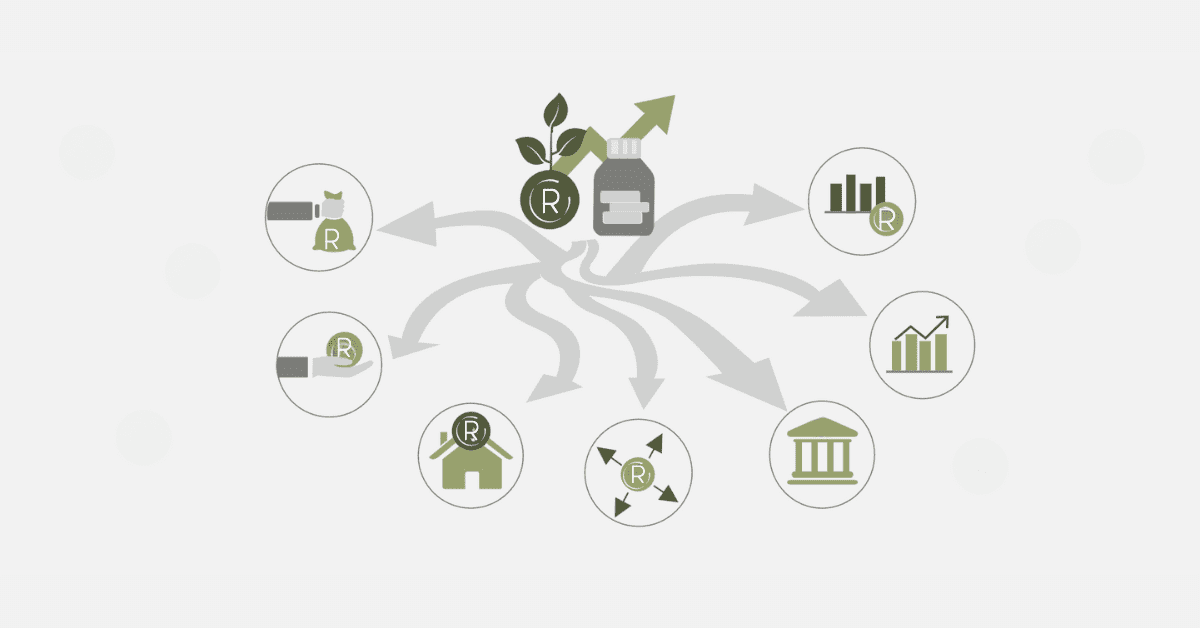
Sometimes, diversification reduces risks by investing in varied asset classes, sectors, and geographies. This will ensure that the impact of any one poorly performing investment is kept at bay, thereby offering a safeguard to the general portfolio. Keeping pace with worldwide and local economic trends is pivotal. It can help make better decisions without relying on mere guesswork.
Invest in Preparedness, Not in Prediction
Investing in preparedness means entrenching a robust investment strategy to survive market turbulence. In South Africa, this would mean investing in those sectors that have shown resilience and potential for growth despite economic uncertainties. An example is the renewable energy sector; with a shift towards more sustainable energy solutions, it is growing in the country. Technology and health are other sectors that will massively expand.
You can position your portfolio for long-term success by venturing into such sectors. That being said, you should be prepared with an emergency fund and a clear exit strategy from the businesses. This ensures you are not compelled to act hastily based on market downturns. Adopt regular, disciplined investing strategies rather than timing the market.
Switch from a “Fine” to a “Fee” Approach to Volatility
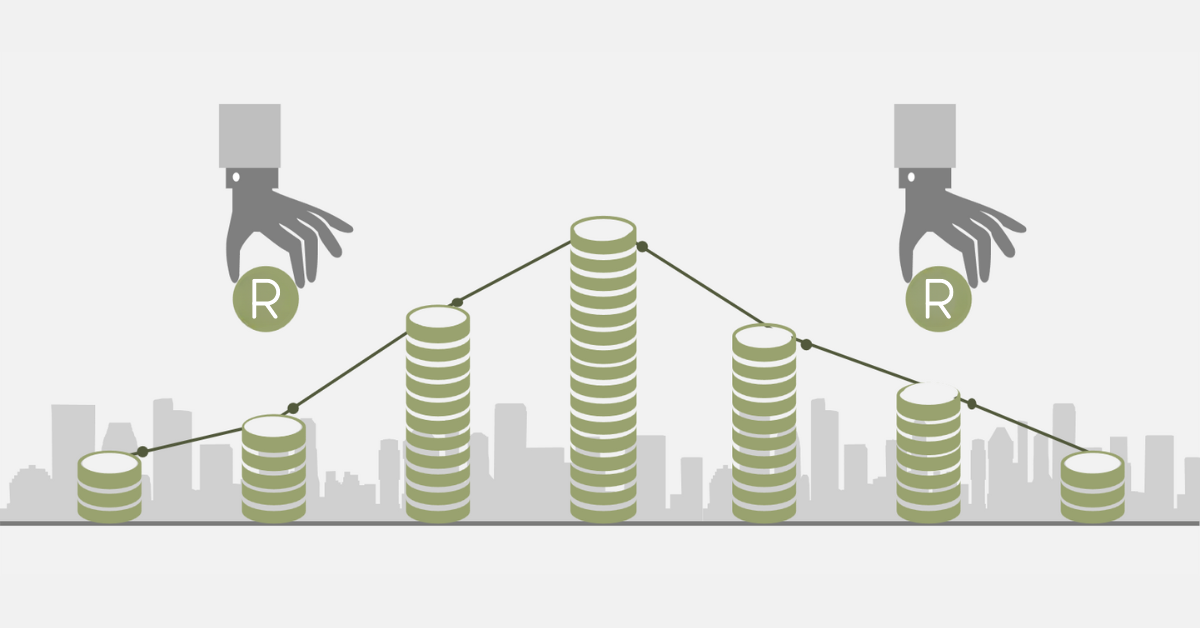
Volatility is one of the core investment principles, especially in a dynamic market like South Africa. At times, volatility increases; instead of thinking it to be okay for ‘bad’ timing, think of it as some price you pay to have higher expected returns. This mindset shift can help one be calm and focused during periods of turbulence in the markets. Adopt fee-based investments in winning assets that have shown some good run historically.
For instance, real estate has remained a good investment in South Africa because the need for housing and commercial properties continues to rise. Equities in established companies with solid fundamentals may provide substantial returns despite the short-term volatility. That long-term view, combined with the understanding that this is part of the journey and that every market goes through dips, will predominantly keep you away from panic selling and make empirically rational decisions.
Investing is a Marathon, Not a Sprint
The goal is to grow gradually over time. For South Africa, this means adopting a patient and disciplined investment strategy. Retirement funds are a critical part of a long-term investment for securing oneself financially in the future.
This compounding power makes the market downturn contributions broadly consistent, and hence, a lot of growth can be realized in these funds. Besides, it is vital to regularly review your portfolio to adjust to the changing financial goals and prevailing market conditions. This ensures that your investments always remain on course to achieve long-term growth.
Ask the Right Questions, Which Leads to Better Behaviour
As an informed investment decision will ensue, one must ask the right questions. In South Africa, where the market environment can be complex, it is only evident that one should look for clarity and understanding before investing money. Questions such as the potential risks and rewards of that investment, how it fits in one’s general portfolio, and their risk tolerance need to be answered. They can help lead you toward better investment behaviour.
You can also seek advice from such professionals as financial advisors and utilize educational materials that will add value to your understanding of different issues, thereby increasing the possibility of making a sound decision. Acquiring a taste of inquiry and learning will give birth to a strategic and thoughtful investor inside you.
Final Thoughts
Investing in South Africa in 2026 requires strategic planning and preparation for the long haul. Since nobody can successfully predict the future, this is about being prepared rather than trying to predict, accepting that markets are volatile, viewing investment from the long term, and asking the right questions. These are all tips to beef up your investment game so that echelons of financial success will be achieved.