The process of selling (and buying) a property in South Africa can seem very complicated. A critical part of the process will be ensuring all tax matters on both sides of the transaction are fully up-to-date, and the tax clearance certificate from both parties will be a key part of the process. Today we answer some key questions around tax clearance on the seller’s side to assist you.
Do I Need a Tax Clearance When Selling a Property?
Yes, you need a tax clearance certificate when selling a property, and it will be one of the key documents that must be included as part of the sales process.. The tax clearance certificate is required to confirm that you’re up to date with your tax obligations, and it’s typically obtained by the conveyancer or attorney handling the property transfer process.
When you sell a property in South Africa, you’re required to pay Capital Gains Tax (CGT) on the profit you make from the sale, with certain exemptions and qualifications. This tax is calculated based on the difference between the purchase price and the selling price of the property, less any allowable deductions and exclusions.
If you don’t already have a tax clearance certificate when selling a property, the conveyancer or attorney may withhold a portion of the sale proceeds until the certificate is obtained. This is to ensure that the seller settles any outstanding taxes before receiving the full sale proceeds. This is just one reason why it pays to have your tax affairs in order before initiating the selling process, to avoid delays and other administrative issues.
Do You Need a Tax Clearance Certificate to Buy Property?
While the buyer’s tax clearance certificate is not mentioned as much in the sales process as the sellers, they will also need to be a registered taxpayer and fully tax compliant for the sale to be cleared- and a tax clearance certificate is the clearest way to demonstrate this.
What is Required for Tax Clearance?
To obtain a tax clearance certificate in South Africa, you’ll need to ensure that you’re compliant with your tax obligations. This means there can be no missing returns or unpaid amounts in any tax class you are eligible for, so this includes income tax, VAT, other capital gains transactions, and any other tax affairs. So you must have submitted all your tax returns, and have paid all outstanding taxes owed to SARS.
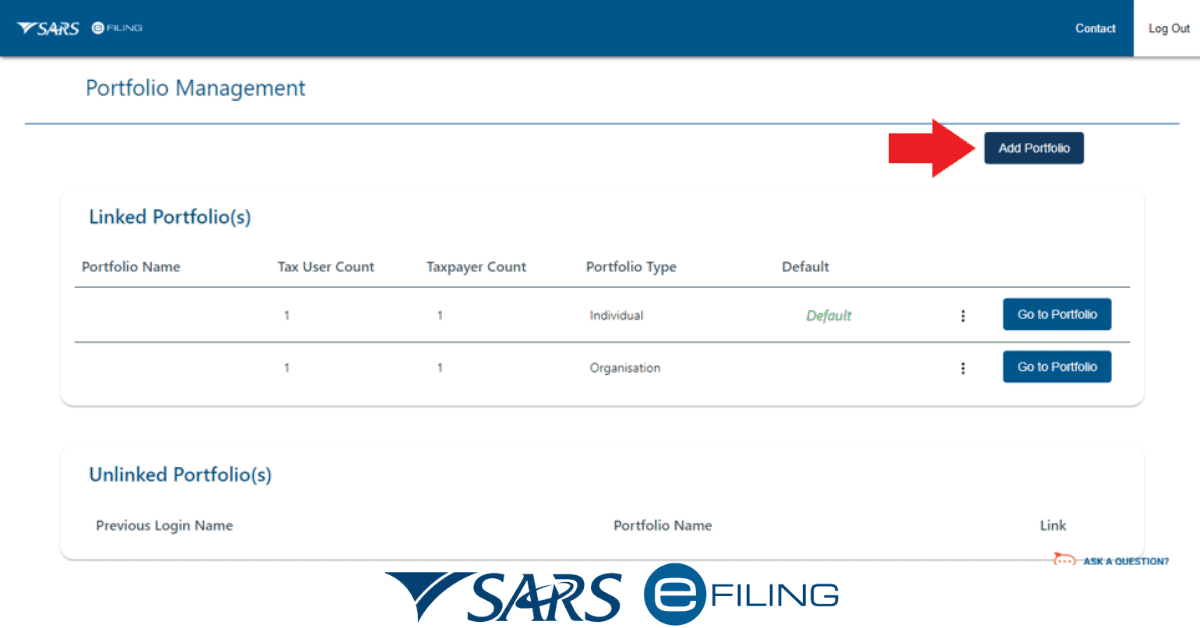
You will then need to request a tax compliance status from SARS to confirm that you’re up to date with your tax obligations. If you do not do this yourself through the eFiling platform, you will need to provide proof of identity, and if you’re obtaining the tax clearance certificate through a representative, such as a tax practitioner or accountant, you’ll need to provide a power of attorney to allow them to act on your behalf
Depending on the type of tax clearance certificate you require, you may need to provide additional documentation, such as your business registration documents or proof of payment for any outstanding taxes.
What Tax is Payable on Sale of Property?
Capital Gains Tax is the major tax payable on the sale of property in South Africa. It’s important to realize CGT also applies to inheritances, emigration sales, and other times when property changes hands.
CGT is a tax on the capital gain, which is calculated as the difference between the selling price of the property and its base cost (which includes the original purchase price, plus certain expenses such as transfer costs, attorney fees, and improvements made to the property).
The CGT rate for individuals is determined based on their income tax rate, and for companies and trusts, it’s a flat rate of 21.6%, and 18% for individuals.
Luckily, this does not mean you will pay CGT on every property purchase, as there are a host of deductions and exclusions for both individuals and companies. The most notable is the primary residence exclusion, which exempts the first R2 million of the capital gain from CGT when you sell your primary residence. To qualify for this exclusion, you must have owned and lived in the property as your primary residence for at least two of the five years before the sale.
The conveyancer or attorney handling the property transfer process will usually withhold a portion of the sale proceeds to cover any potential CGT liability, and this amount will be paid over to SARS on your behalf. The final CGT liability will be calculated when you submit your tax return for the relevant tax year.
How Do You Avoid Tax on Property Sale?
There are legal ways to reduce the amount of tax payable on the sale of a property, but it’s not possible to completely avoid paying tax on the profit made from the sale. However, for many normal individuals, buying a single property to own for themselves, the CGT implications will be minor unless the property is worth more than 2 million rand, as the primary residence exclusion will be in play. This allows you to exclude the first R2 million of the capital gain from CGT.
When calculating the capital gain, make sure you include all allowable expenses, such as transfer costs, attorney fees, and improvements made to the property. This will reduce the taxable capital gain. You can also ‘time’ the sale of the property in a tax-efficient manner. For example, if you’re planning to sell multiple properties, you can stagger the sales over a number of years to spread out the tax liability. Alternatively, transferring the property to a trust may attract a lower CGT rate than your personal tax rate.
It’s always advisable to consult with a qualified tax professional or financial advisor who can help you navigate the tax rules and regulations and ensure that you’re taking advantage of all available tax-saving opportunities.
While navigating the tax side of selling a property in South Africa can be intimidating, if your tax affairs are already in good standing when you enter the process, it should be simple. This is why we advise sellers to check in with their tax status before putting the property on the market, so you can correct any issues before they become a problem